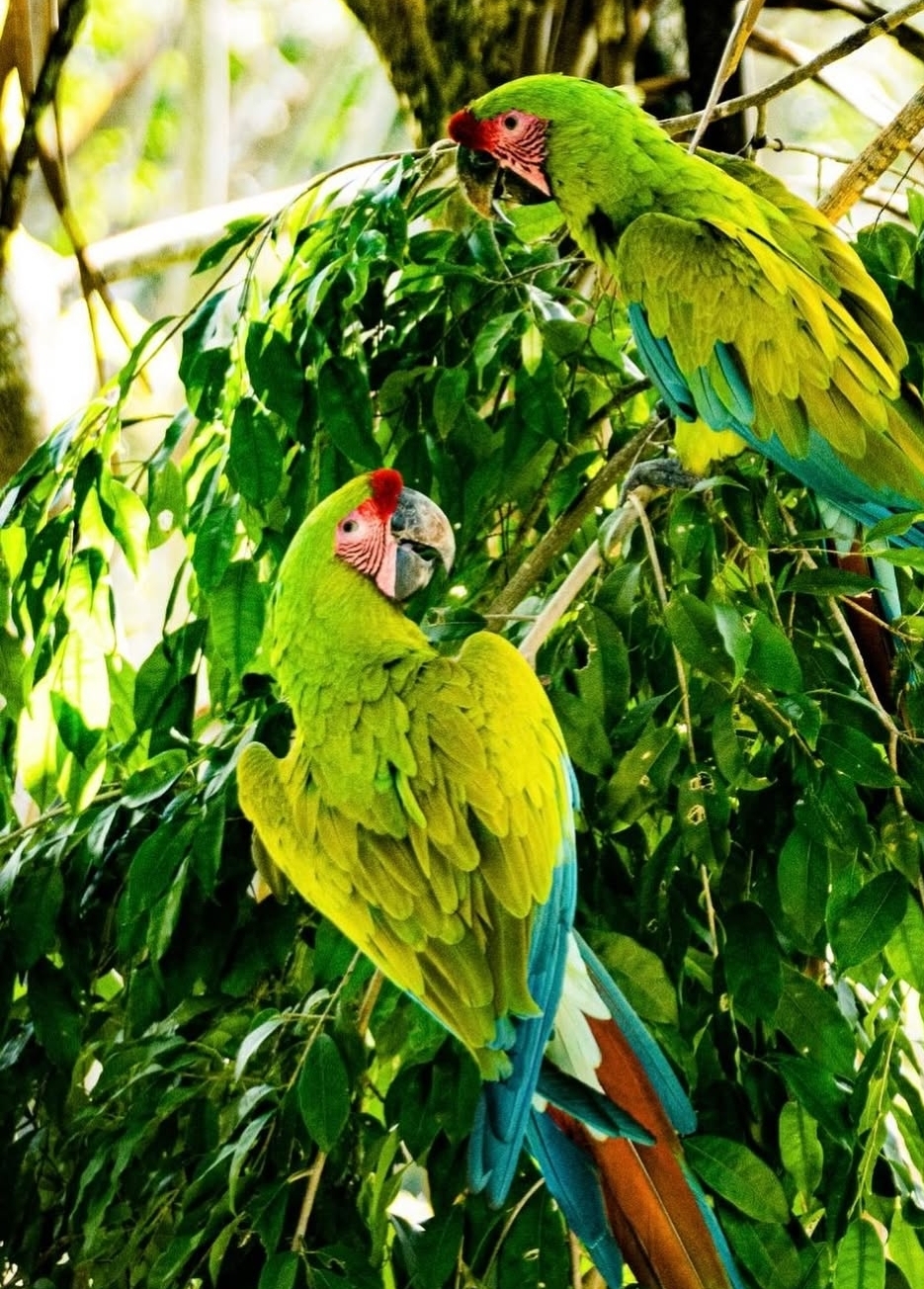
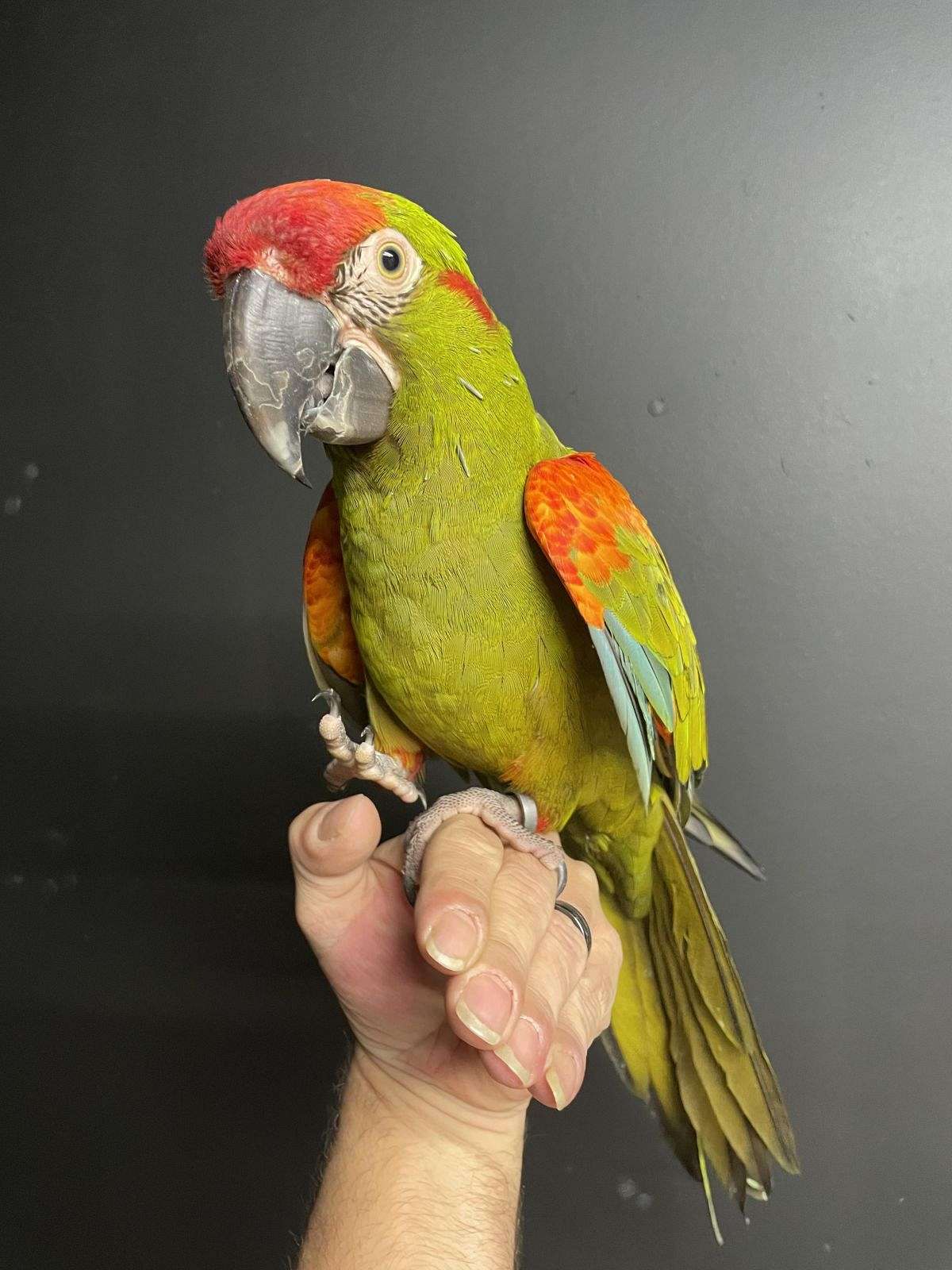
The Red-fronted Macaw is endemic to dry valleys and semi-arid regions of central Bolivia. Unlike most macaws, it frequently forages on the ground and inhabits rugged terrain. The species has a small, fragmented population. Agricultural expansion and trapping remain major threats.
Overview
The Red-fronted Macaw, scientifically named Ara rubrogenys, is a striking species native to Bolivia. Noted for its vibrant coloration and distinctive red forehead, this macaw occupies a unique niche compared to its rainforest-dwelling relatives. The species primarily inhabits dry valleys and steep cliffs, showcasing adaptability to arid environments.
Physical Description
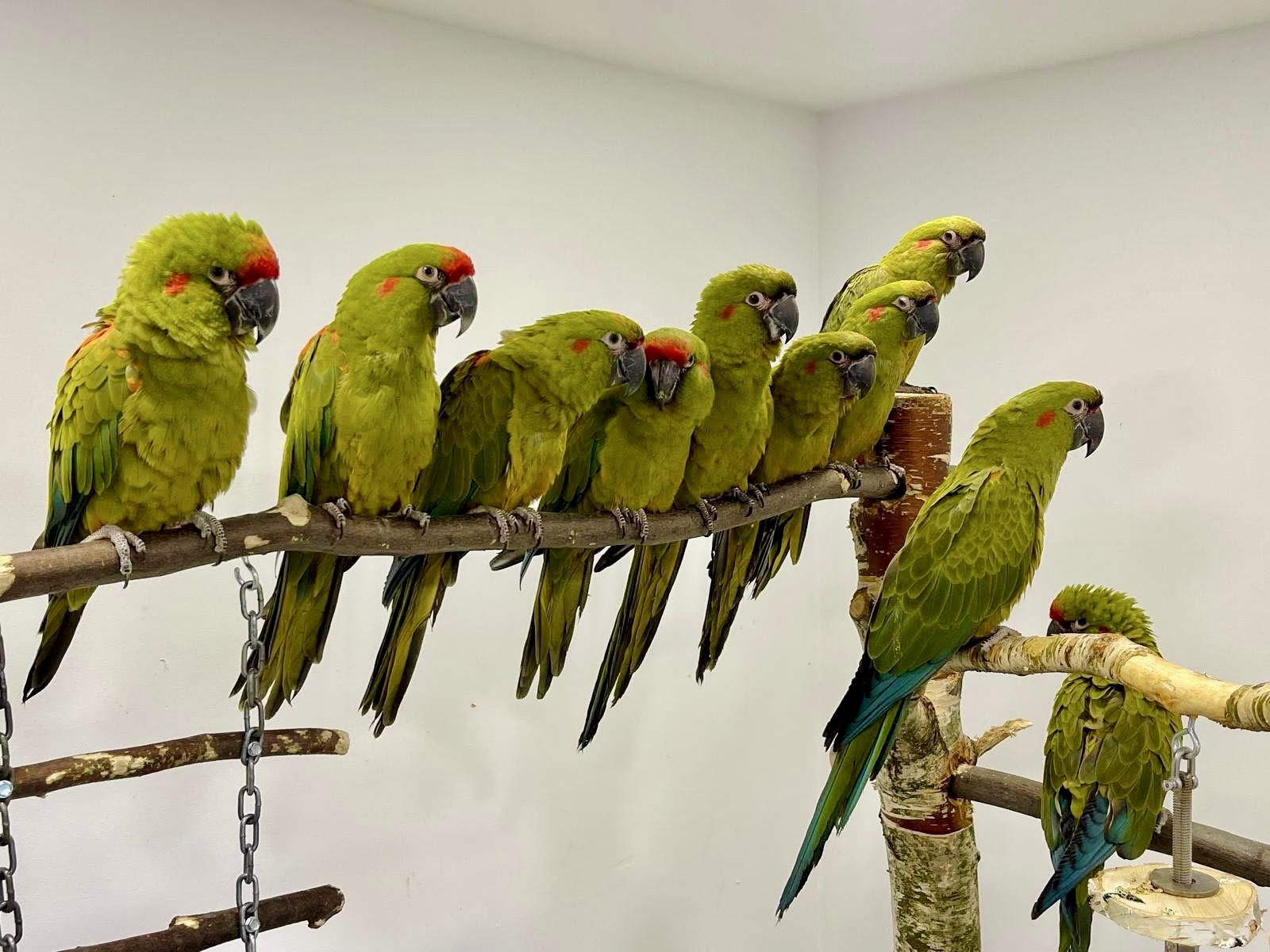
Adult Red-fronted Macaws exhibit a predominantly green plumage, accented by a vivid red patch on their forehead and a blue wing coloration. Their long tails are primarily blue, contributing to their striking appearance. The face is adorned with light-colored facial markings, enhancing their distinctiveness. Adults typically reach lengths of about 50 cm (20 inches) and exhibit sexual dimorphism, with females being slightly smaller than males.
Similar Species
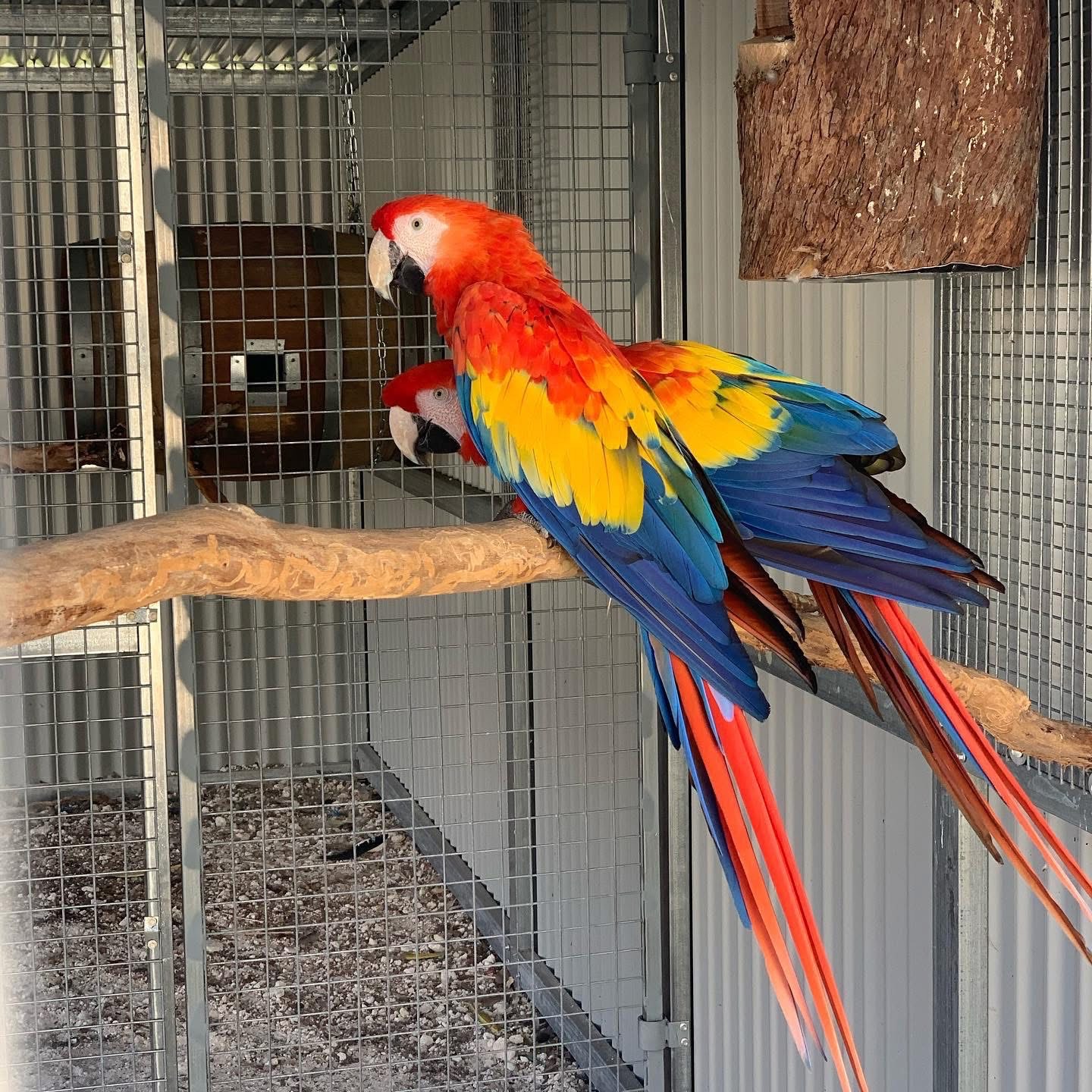
The Red-fronted Macaw bears resemblance to the Blue-and-yellow Macaw (Ara ararauna) and the Green-winged Macaw (Ara chloropterus). However, it can be distinguished by its unique red forehead and the absence of extensive blue on the wings. Additionally, the Red-fronted Macaw is smaller and has a more slender build than many other macaw species.
Range And Habitat
The natural range of the Red-fronted Macaw is primarily located in the dry valleys of eastern Bolivia. This species prefers habitats characterized by rocky cliffs, open woodlands, and sparse vegetation, contrasting with the lush rainforests typically associated with other macaw species. The unique habitat choice presents distinct challenges, as it limits their foraging options and increases vulnerability to habitat loss.
Behavior
The Red-fronted Macaw exhibits a range of social and foraging behaviors:
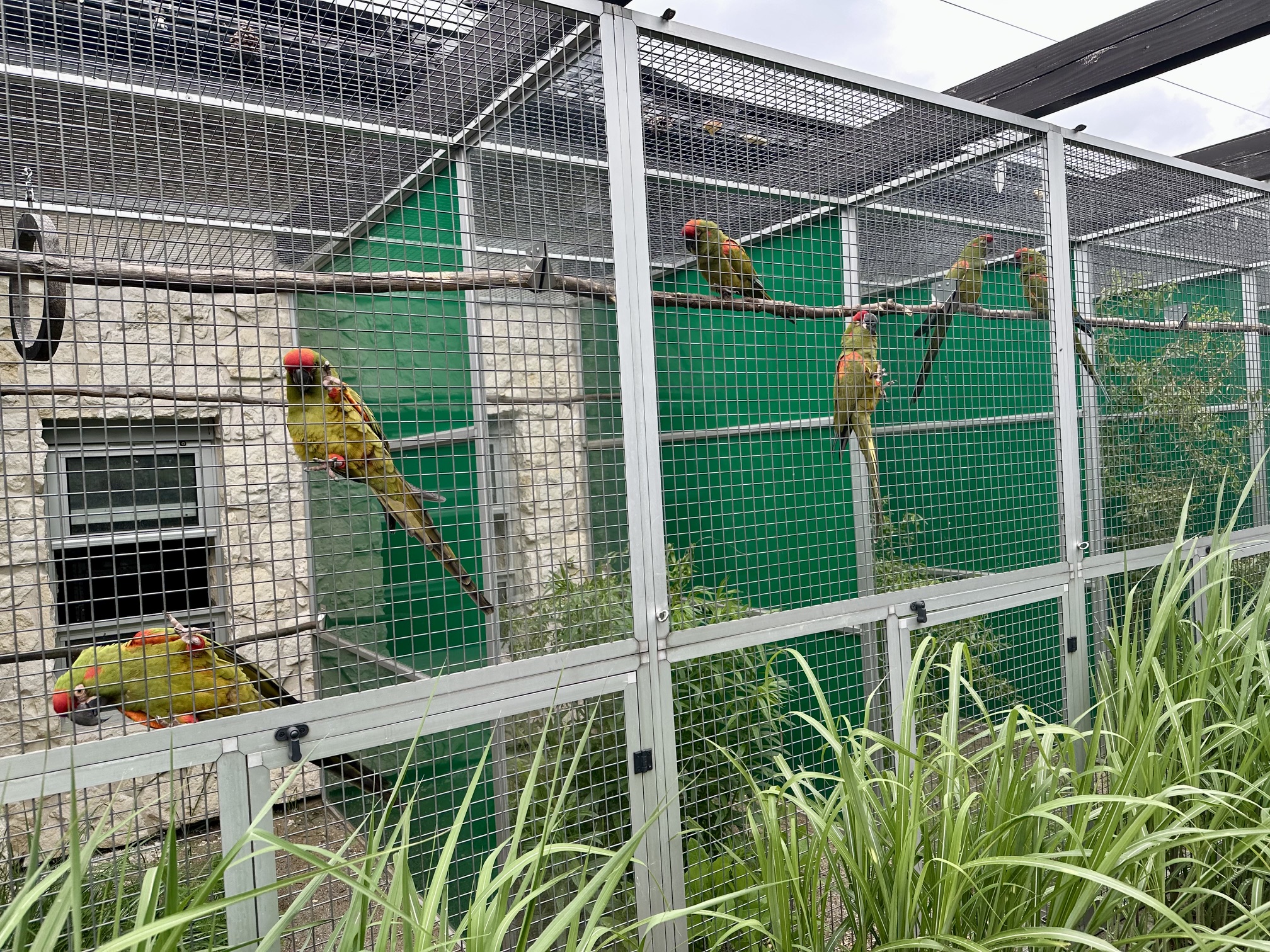
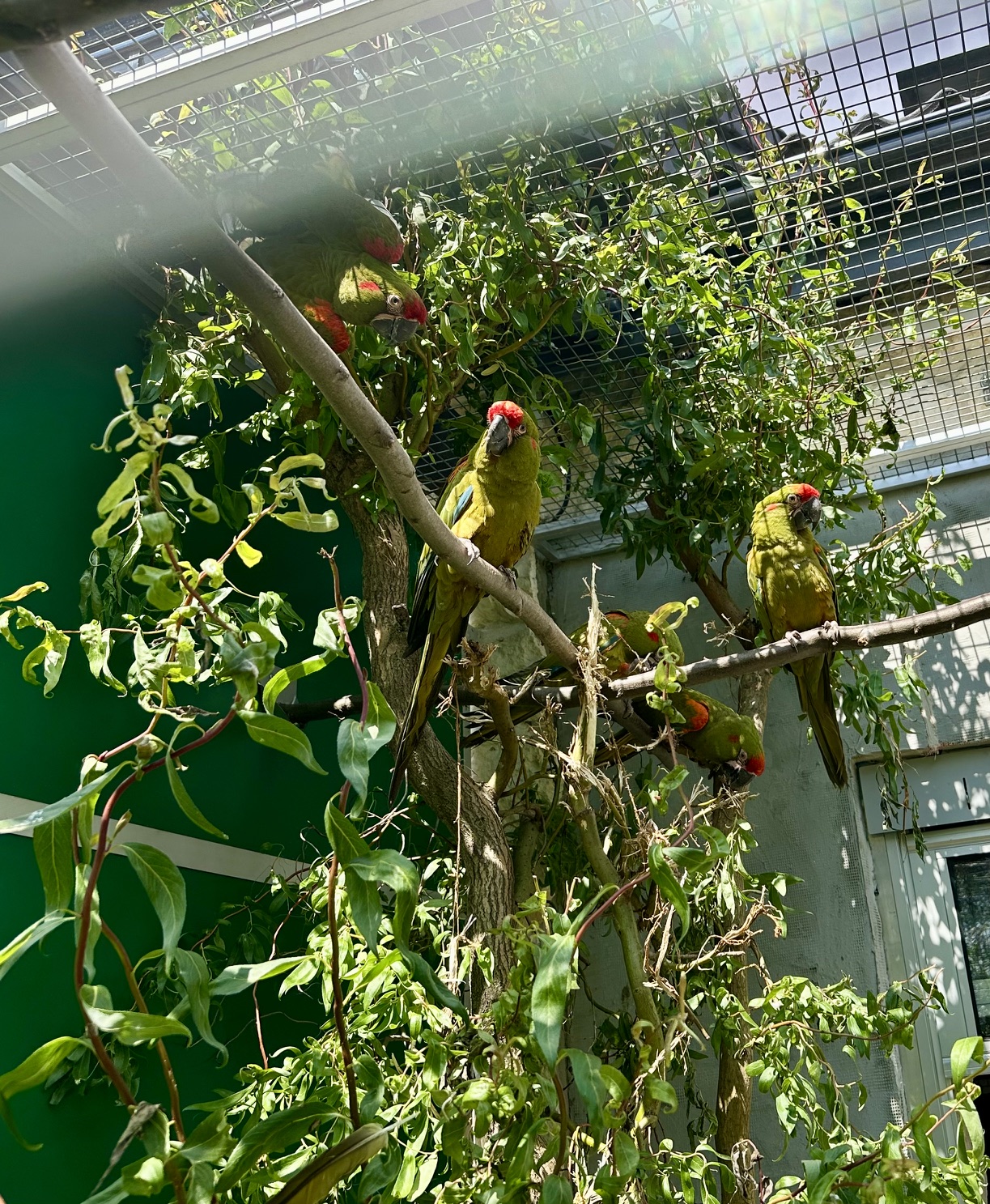
- Highly social, often found in small flocks of 5 to 15 individuals.
- Known for their vocalizations, communicating through a series of squawks and whistles.
- Foraging primarily on seeds, nuts, and fruits, they tend to search for food in the canopy and on the ground.
- Nesting occurs in tree cavities or cliff ledges, where they lay 2-4 eggs.
Conservation
The Red-fronted Macaw is currently classified as Endangered by the IUCN Red List. Major threats include habitat loss due to agriculture and deforestation, as well as illegal trapping for the pet trade. Conservation efforts are underway, including habitat protection and awareness campaigns to mitigate the impacts of these threats. Continued research and monitoring are essential for the survival of this unique species.
Related pages
Explore more about parrots, their diets, and taxonomy to gain a broader understanding of avian species.