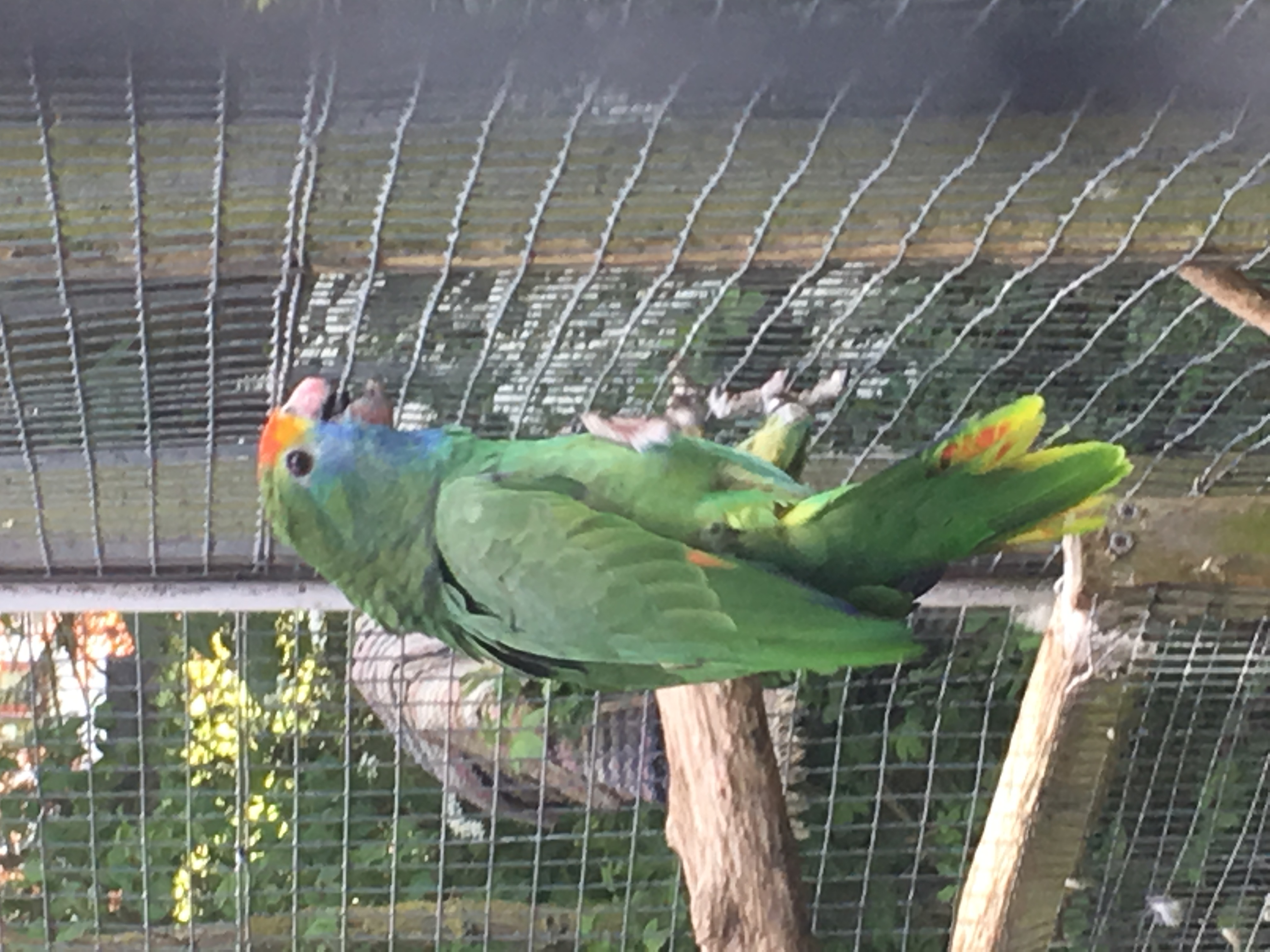
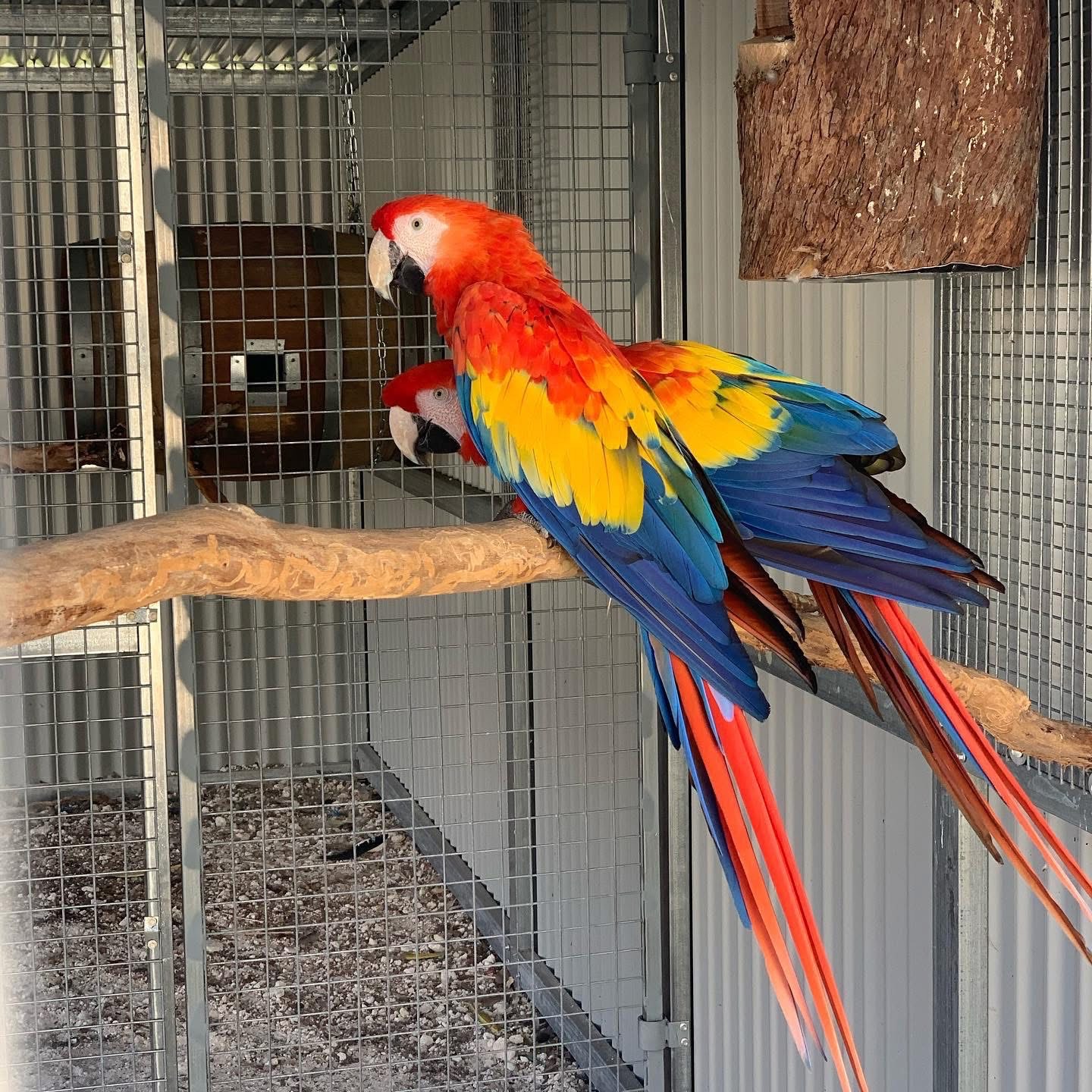
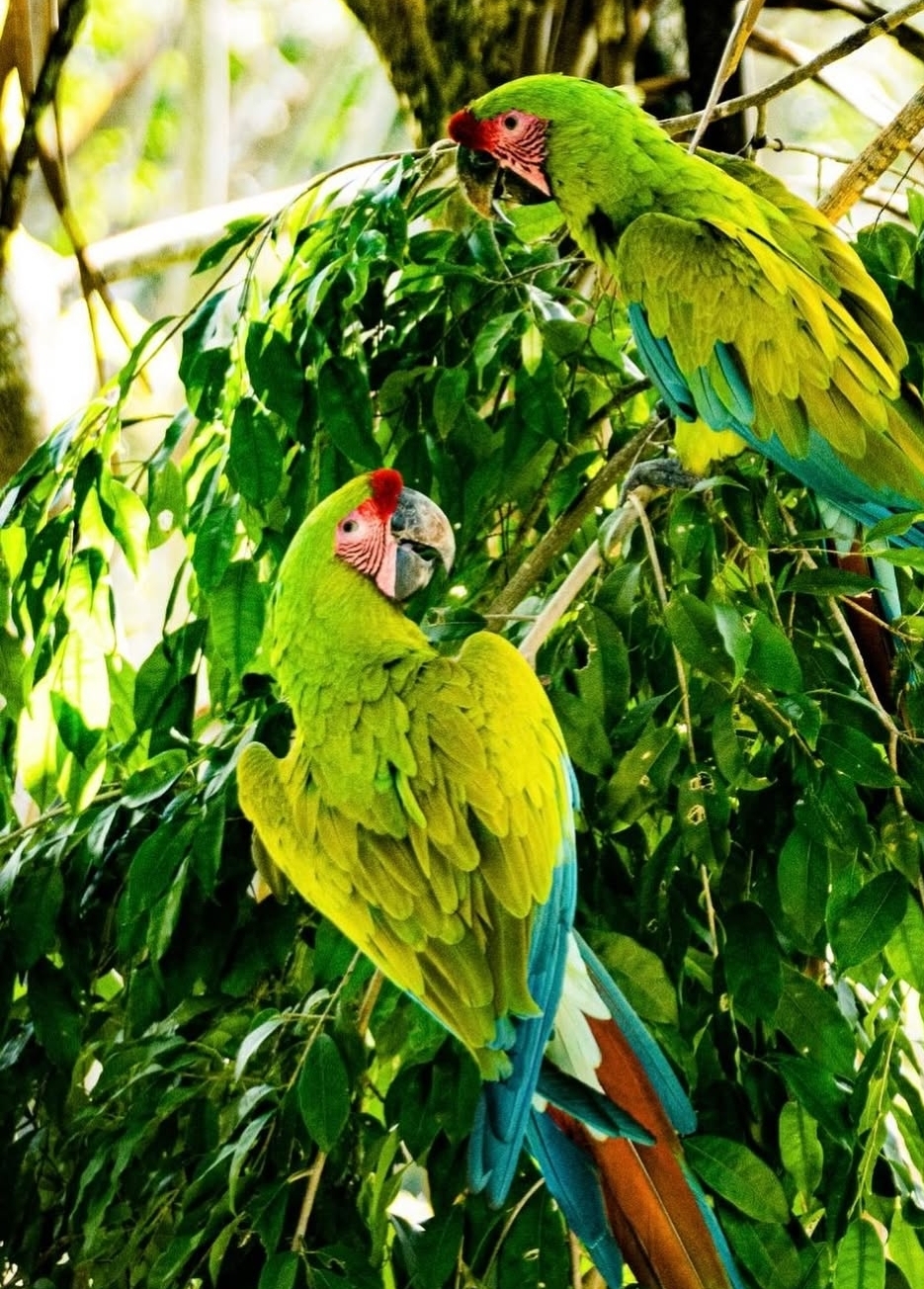
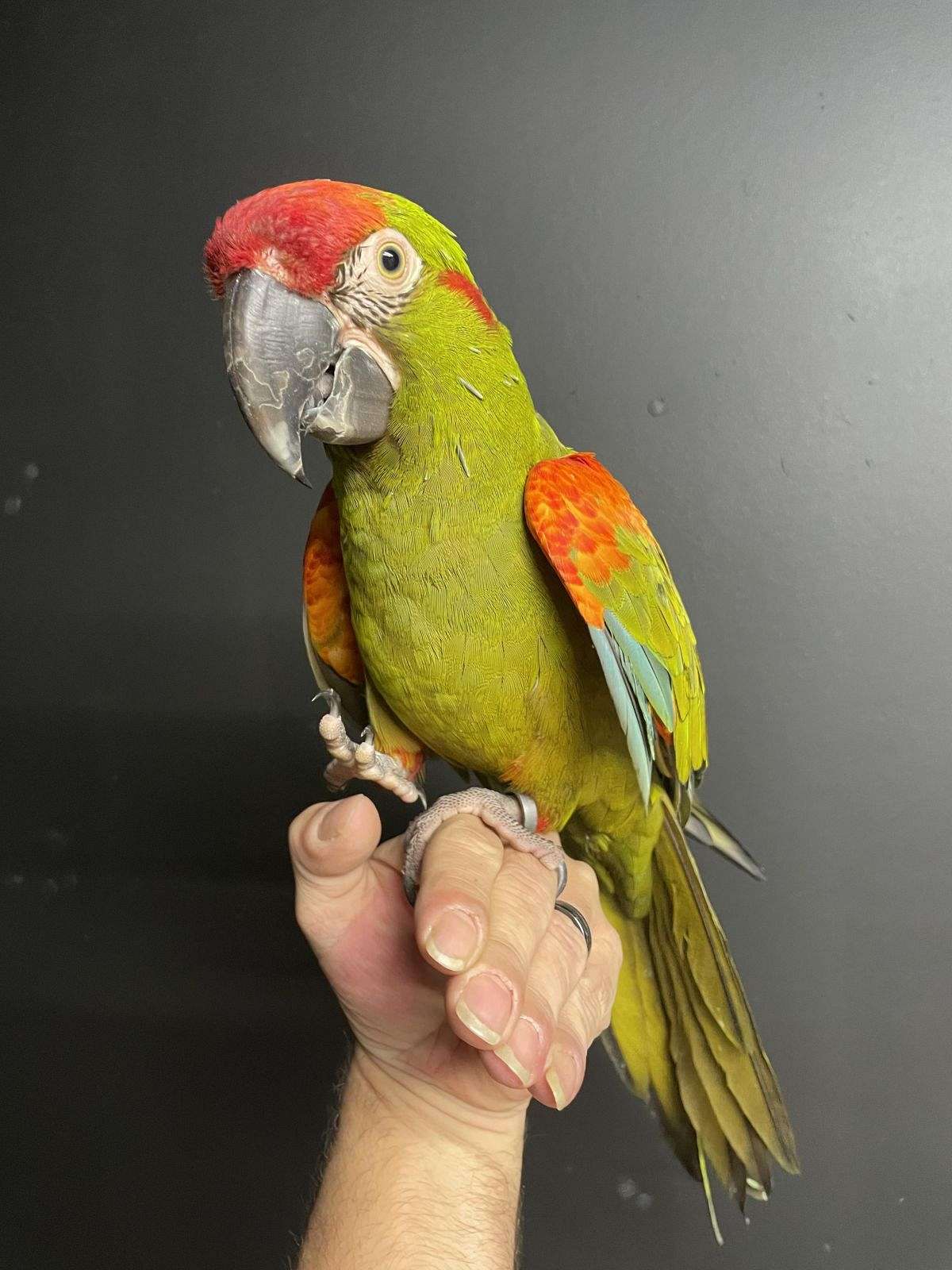
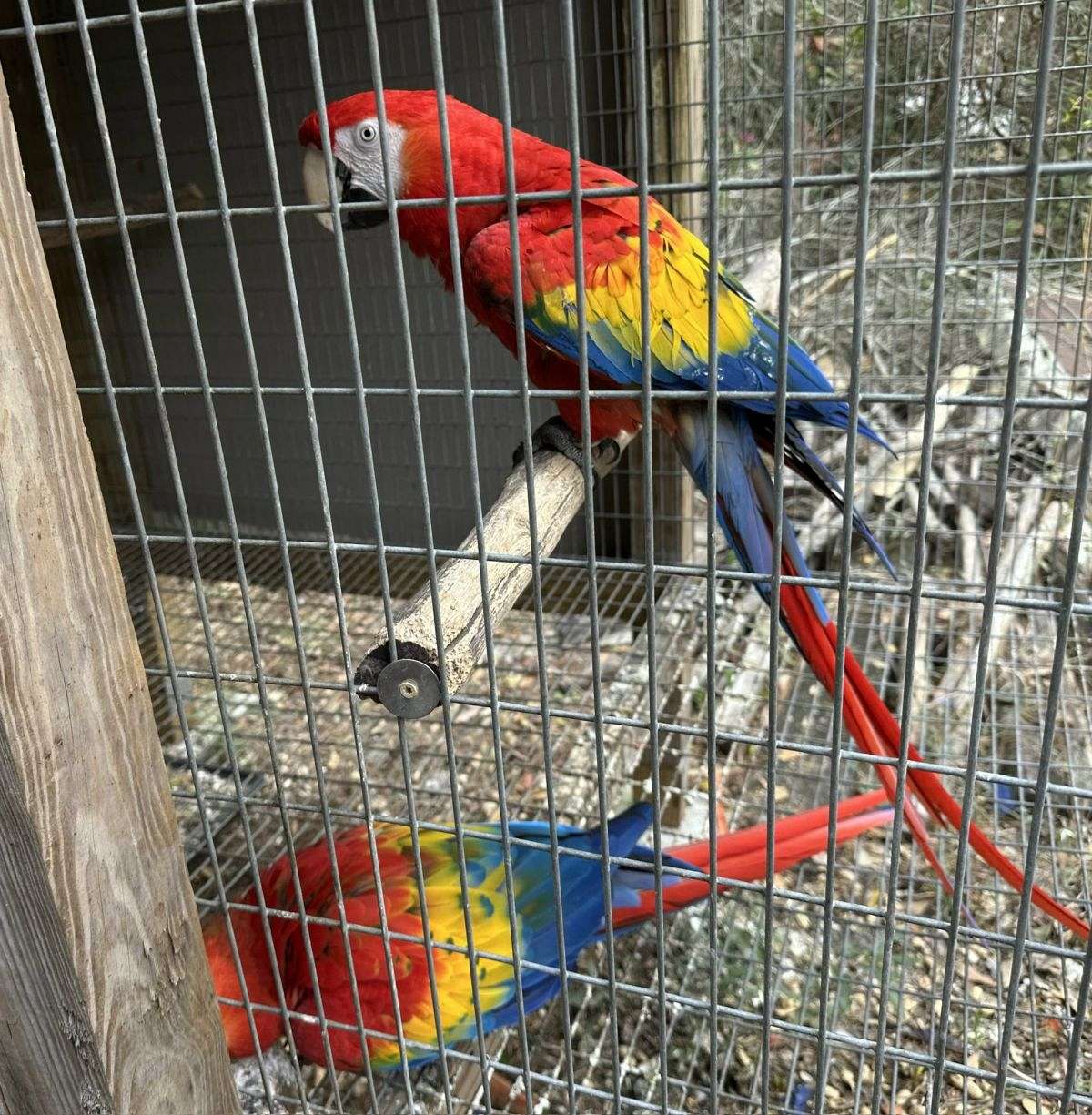
The Scarlet Macaw inhabits lowland rainforests of Central and South America, where it favors tall, mature forest. It is known for its strong pair bonds and loud vocalizations. The species plays an important ecological role as a seed disperser. Deforestation and illegal trapping have caused regional population declines.
Summary
The Scarlet Macaw (Ara macao) is one of the most recognized and admired parrots, characterized by its striking red, yellow, and blue plumage. Native to the rainforests of Central and South America, this species is not only a visual spectacle but also plays a crucial role in its ecosystem as a seed disperser. Scarlet Macaws often form strong pair bonds and exhibit social behaviors that are complex and engaging. Their loud vocalizations are a hallmark of their communication, making them a notable presence in their habitats. Despite their remarkable adaptation to their environment, the Scarlet Macaw faces significant threats from habitat loss and illegal trapping, leading to population declines in certain areas. Conservation efforts are critical to ensure their survival and maintain the biodiversity of their native regions.
Identification
The Scarlet Macaw is a large parrot, reaching lengths of about 81 cm (32 inches). Its most distinctive feature is its vibrant coloration, with a bright red body, yellow and blue feathers on the wings, and a long, pointed tail. Notably, the face is largely bare, contributing to its unique appearance. Sexual dimorphism is minimal, with males and females sharing similar plumage, although males may be slightly larger. The beak is large and powerful, suited for cracking nuts and seeds.
Range
Scarlet Macaws are primarily found in the tropical rainforests of Central America, extending from southern Mexico through Belize, Guatemala, Honduras, Nicaragua, and Costa Rica. They also inhabit parts of South America, particularly in eastern Colombia, Venezuela, and the Amazon basin in Brazil. Their range is often fragmented due to deforestation and habitat degradation, affecting their distribution and population density. In some areas, they are more commonly found in lowland forests, whereas in others, they may reside in deciduous forests and savannas.
Habitat
Scarlet Macaws thrive in a variety of forested habitats, predominantly favoring dense, mature rainforests with a high canopy. They are also found in semi-deciduous forests and gallery forests along rivers. The availability of large trees for nesting and feeding is crucial for their survival. These birds often prefer areas with abundant fruiting trees, as their diet relies heavily on a variety of fruits, nuts, and seeds. Unfortunately, their habitat is under threat from logging and agricultural expansion, which diminishes their natural environment and food sources.
Diet
Scarlet Macaws are primarily herbivorous, with a diet that includes a wide range of fruits, nuts, seeds, and occasionally flowers. Specific fruits such as mangoes, guavas, and berries are essential parts of their diet, providing necessary nutrients. Their strong, curved beaks are adapted to crack open hard seeds and nuts, which are crucial for their energy needs. In the wild, they often forage in pairs or small groups, moving through the canopy to find food. The consumption of clay from riverbanks is also observed, which may help in detoxifying their diet and providing essential minerals.
Behavior
Scarlet Macaws are known for their social behavior, often seen in pairs or small family groups. They exhibit strong pair bonding, with lifelong relationships between mates. Vocal communication is an integral aspect of their behavior, as they use various calls to communicate with each other, especially in dense forest environments. Their intelligence is notable; they can solve problems and manipulate objects, showcasing their cognitive abilities. Additionally, these macaws engage in play behavior, both individually and socially, which is vital for their development and social bonding.
Conservation
The Scarlet Macaw is currently classified as Near Threatened by the IUCN due to habitat loss and illegal trapping for the pet trade. Deforestation, primarily for agriculture and logging, poses the most significant threat to their population. Efforts to conserve their habitat and establish protected areas are critical to their survival. Conservation programs also focus on educating local communities about the ecological role of macaws and the importance of preserving their natural habitats. International cooperation is necessary to combat illegal wildlife trade and promote sustainable practices that benefit both the macaws and the human populations in their range.
Parrots Vs. Other Birds
When comparing Scarlet Macaws to other birds, significant distinctions emerge, particularly with songbirds and raptors. Unlike many songbirds that rely heavily on vocal mimicry for communication and mate attraction, Scarlet Macaws use a variety of loud calls to communicate within their social structures, emphasizing their social nature. In contrast to raptors, which are primarily solitary hunters that demonstrate intelligence through problem-solving and strategic hunting behaviors, Scarlet Macaws exhibit social foraging techniques, often foraging in pairs or small groups. An anatomical feature that sets macaws apart is their strong, curved beaks, which are specifically adapted for cracking nuts and seeds, an adaptation that supports their herbivorous diet.
Related pages
For more information on parrots and their characteristics, visit the linked pages.